

You insure the car.
Insure the pantry.
You pay for insurance every month and hope you never use it. A stocked basement works the same way, except you can see it. Prepping isn't about the end of the world. It's about getting through a power outage, a storm or a tight month without panic. It comes down to a few basics: water, food, power and heat, health, and staying in touch. I'm a regular dad testing the gear and doing the math. Start with 72 hours, then a month, then three.
Power's out, roads are bad. Shelter in place with what's in the house.
Supply chains wobble. A rotating pantry, filtered water and a power station.
Long-term buckets, solar, and a heat plan for an Ontario winter.
The five systems
Every plan covers the same five things. Pick one to see what you need at each stage, and what I'd actually buy.
72 hours
- Stored water in jugs, 4 L per person a day.
- Fill the tub bladder at the first storm warning.
- Keep a few cases of bottled water for grab-and-go.
1 month
- A gravity filter so you can treat tap, rain or creek water.
- Rotate jugs every 6 months.
- Unscented bleach for disinfecting.
3 months
- A rain barrel plus filter.
- Larger stackable tanks in the basement.
- A backup filter and spare cartridges.
How much does your family need?
Set who's in the house and how long you're planning for. The numbers and my picks update as you go.
4 L per person a day. My pick: Desert Patrol, $29.22.
Eat the fridge first, then the freezer, then the pantry.
Phones, LED lights and a radio. My pick: Jackery 300 ($0.99/Wh).
Indoor-rated heaters only, with a CO alarm. Never a BBQ or camp stove inside.
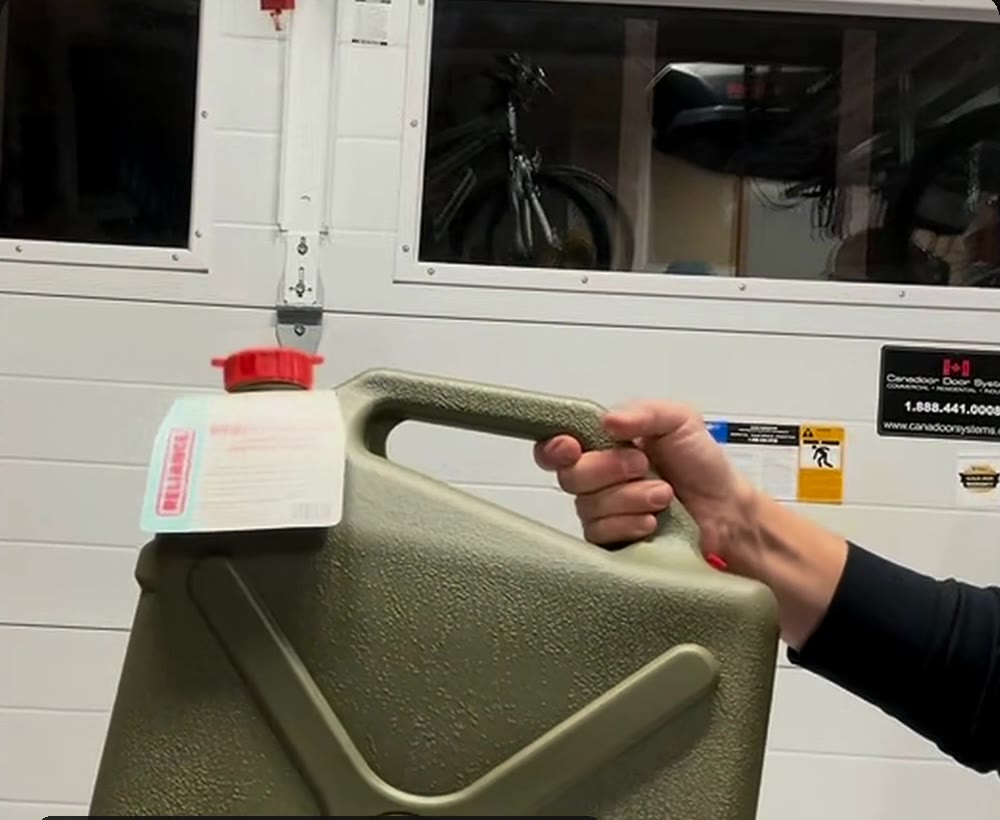
Water storage: what's worth your money
Bathtub bladders vs. Reliance jugs. Cost per litre, how they hold up, and what I keep in my own basement.